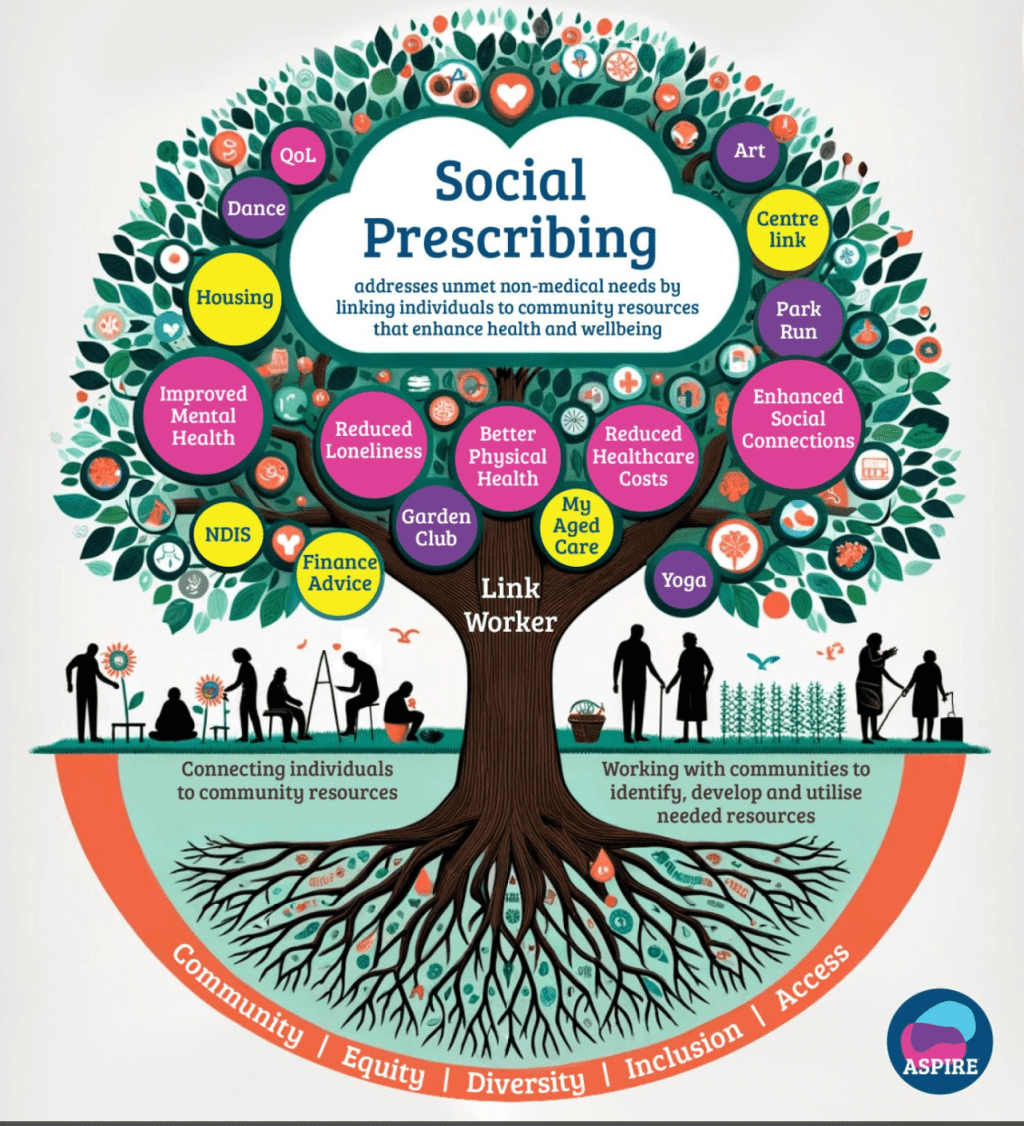
What if your doctor prescribed community, not just medicine?
When we think of healthcare, we often picture hospitals, chemotherapy, and medications. But what about the other side of healing—the part that happens outside of clinics and pharmacies? For cancer patients, life after diagnosis isn’t just about surviving; it’s about living well. And that’s where social prescribing comes in.
What is Social Prescribing?
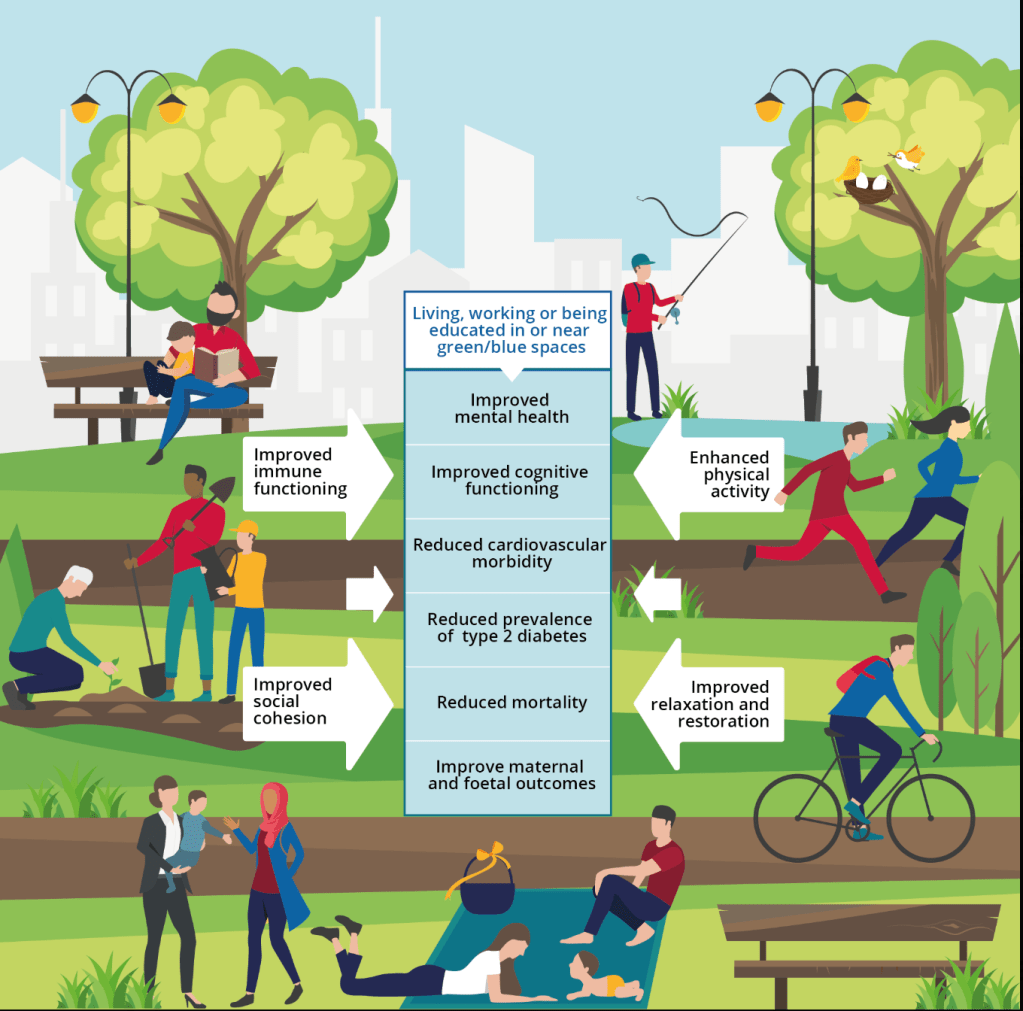
Social prescribing is a way for healthcare professionals to connect patients with non-medical support in their communities. Instead of just handing out pills, doctors and nurses can “prescribe” things like:
- Exercise programs
- Art and music therapy
- Gardening groups
- Support groups for emotional well-being
- Financial or employment advice
The idea is simple: health isn’t just about medicine. It’s about connection, purpose, and support.
Why Focus on Cancer Patients?
Cancer treatments have come a long way, and more people than ever are surviving. But survival comes with challenges—chronic pain, fatigue, anxiety, depression, and social isolation. Many patients struggle to get back to “normal” life after treatment.
Social prescribing offers a holistic approach to cancer care, helping people heal not just physically, but emotionally and socially. Some studies suggest it can reduce loneliness, improve mental health, and even boost overall well-being.
What My Research is Exploring
Despite its potential, social prescribing in cancer care is still a relatively new concept. My research is looking at what we already know about it:
- What kinds of social prescribing programs exist for cancer patients?
- How do these programs affect well-being, mental health, and quality of life?
- How are they being implemented—who runs them, and how do patients access them?
- Where are the gaps? What needs more research to make social prescribing a standard part of cancer care?
To answer these questions, I’m conducting a scoping review—a way of mapping out all the available evidence on a topic. By bringing together studies from around the world, I hope to highlight the benefits of social prescribing and identify the best ways to integrate it into cancer care.
Why This Matters
Imagine a world where cancer patients don’t just get medical treatment, but also a personalized plan for living well—one that includes community, purpose, and joy.
Social prescribing isn’t a replacement for medical care—it’s an enhancement. By recognizing the importance of social and emotional support, we can create a healthcare system that treats people, not just diseases.
My goal? To help make that a reality.



Leave a comment