
The saying “laughter is the best medicine” might be more than just a cliché. In a time where mental health conditions are on the rise, innovative approaches to wellbeing are gaining attention—including the prescription of comedy.
A recent article in the Bristol Post highlights an exciting initiative in the UK where comedy shows are being trialled as a form of social prescribing (Maclean, 2024). The aim? To improve mental wellbeing, reduce loneliness, and potentially ease the burden on the NHS by offering an alternative or complementary treatment to antidepressants.
What Is Comedy-on-Prescription?
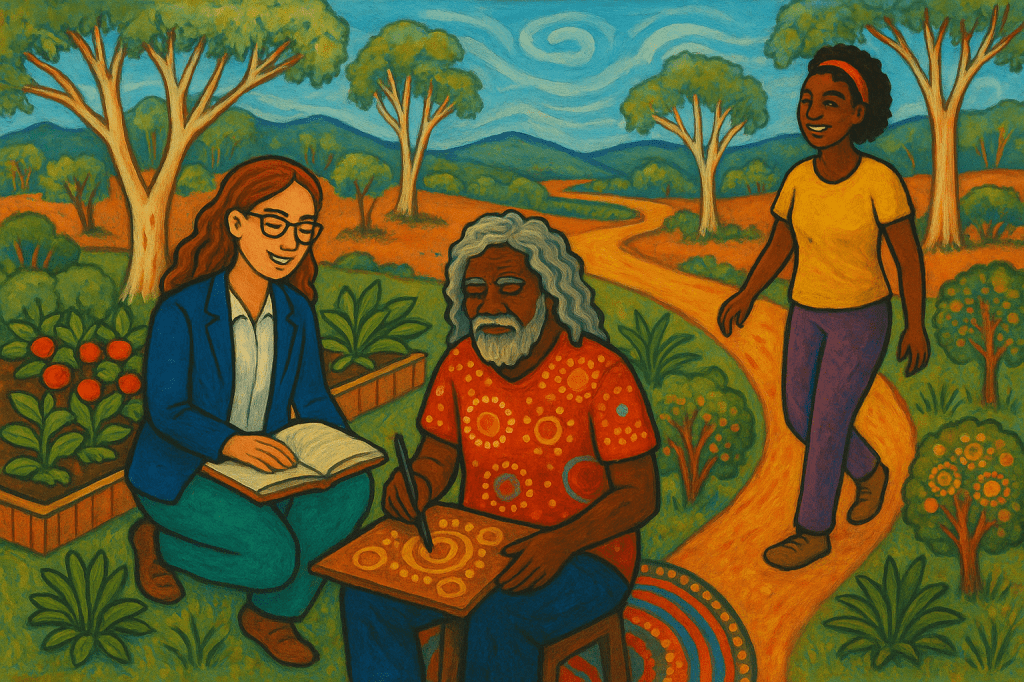
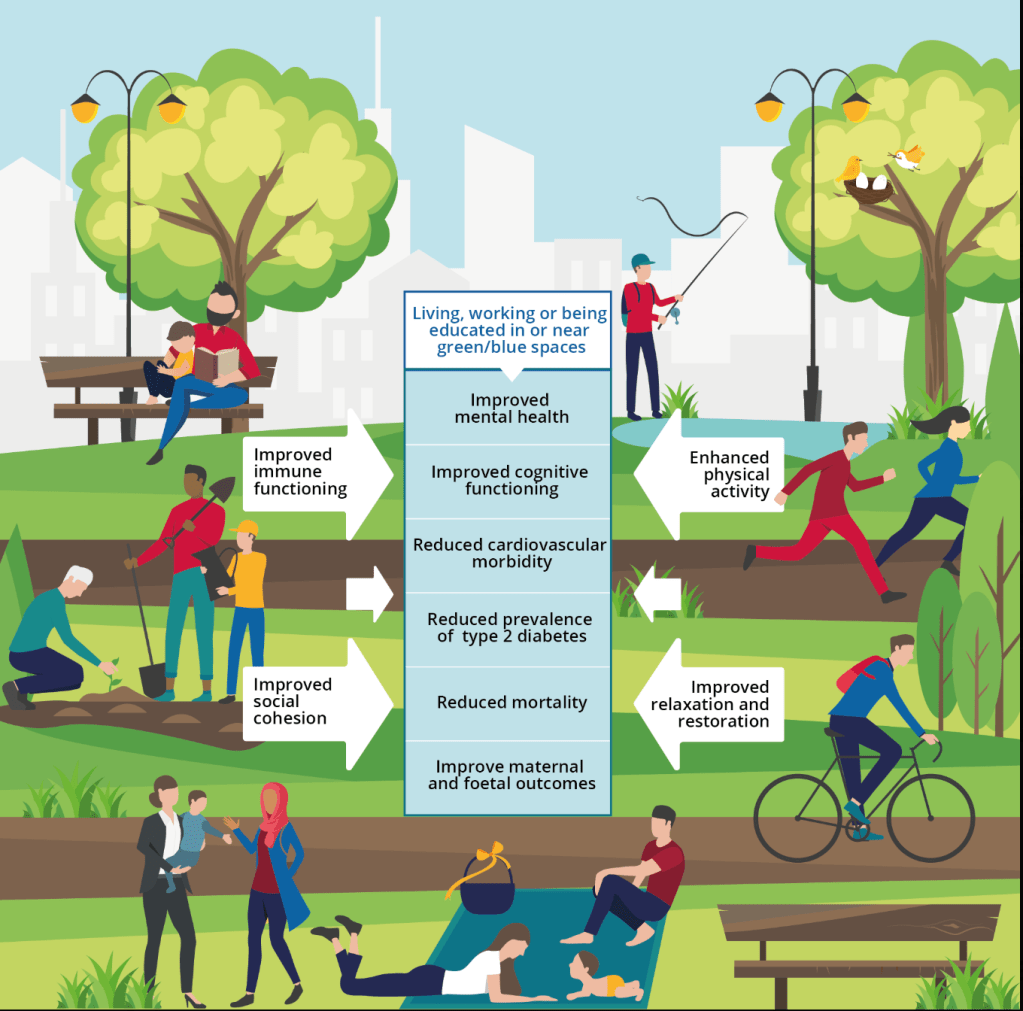
Led by Labour MP and GP Dr. Simon Opher, the pilot scheme allows people experiencing loneliness or mental health challenges to attend free comedy events. Attendees assess their mood before and after performances, providing data on how live comedy might boost wellbeing (The Times, 2024). This intervention forms part of the growing field of social prescribing, where patients are referred to community-based, non-clinical services like arts programs, gardening, or volunteering (NHS England, 2023).
The Science of Laughter and Mental Health
There’s mounting scientific support for the health benefits of laughter. Laughter reduces the stress hormone cortisol, increases the release of endorphins, and can boost immune function (Hasan & Hasan, 2009). Group laughter sessions—even when the laughter is voluntary, such as in laughter yoga—have been shown to decrease symptoms of depression and anxiety (Bressington et al., 2018).
A systematic review by Mora-Ripoll (2011) found that laughter therapies are associated with psychological and physiological improvements, including reduced blood pressure, better pain tolerance, and improved mood. While more high-quality trials are needed, early results suggest that laughter could be a useful tool in the holistic treatment of mental health.
Laughter as Preventive Care?
While comedy isn’t a cure-all, it may serve as a preventive strategy or a complementary therapy alongside traditional treatments. For patients hesitant to take medication or those seeking more community-based interventions, laughter could offer a pathway to connection, expression, and emotional release.
As we rethink what healthcare can look like in the 21st century, these kinds of playful, people-centered approaches challenge the assumption that only pills and procedures count as medicine.
Final Thoughts
The NHS is under pressure to find sustainable, person-focused ways to support mental health. Prescribing comedy might sound like a punchline—but the evidence suggests it could be part of a broader strategy to humanize healthcare. And at the very least, it’s worth a laugh.
References
Bressington, D. T., Yu, C., Wong, W. K., Ng, T. C., & Chien, W. T. (2018). The effects of group-based laughter yoga interventions on mental health in adults: A systematic review. Journal of Psychiatric and Mental Health Nursing, 25(9-10), 517–527. https://doi.org/10.1111/jpm.12490
Hasan, H., & Hasan, T. F. (2009). Laugh yourself into a healthier person: A cross cultural analysis of the effects of varying levels of laughter on health. International Journal of Medical Sciences, 6(4), 200–211. https://doi.org/10.7150/ijms.6.200
Maclean, R. (2024, March 31). Comedy should be prescribed on NHS instead of antidepressants, campaigners say. Bristol Post. https://www.bristolpost.co.uk/news/health/comedy-should-prescribed-nhs-instead-10022348
Mora-Ripoll, R. (2011). The therapeutic value of laughter in medicine. Alternative Therapies in Health and Medicine, 17(6), 56–64.
NHS England. (2023). Social prescribing. https://www.england.nhs.uk/personalisedcare/social-prescribing/
The Times. (2024, March 30). Laughter really is the best medicine: NHS trials comedy as therapy. https://www.thetimes.co.uk/article/comedy-prescription-antidepressants-nhs-craic-health-0dc52zrkf




Leave a comment