
Social prescribing is an innovative approach in healthcare that connects individuals to non-medical community services to enhance their health and well-being. Recognising that factors such as social isolation, loneliness, and lack of physical activity significantly impact health, social prescribing addresses these determinants by linking patients to activities like arts programs, nature-based interventions, and exercise groups. This holistic method aims to tackle the root causes of health issues rather than merely treating symptoms.
Recent Developments in Social Prescribing
In the United Kingdom, the National Academy for Social Prescribing (NASP) has been at the forefront of promoting and supporting social prescribing initiatives. A notable development is NASP’s proposal for a £1 billion Social Prescribing Fund over ten years. This fund aims to provide sustained financial support to community groups and organizations that deliver services benefiting health and well-being. The goal is to address rising demands for such services, combat loneliness, reduce health inequalities, and improve overall health outcomes. The fund would allocate resources based on local health needs, supporting projects like mental health support groups, music programs for individuals with dementia, and exercise sessions to prevent chronic diseases (National Academy for Social Prescribing, 2025).
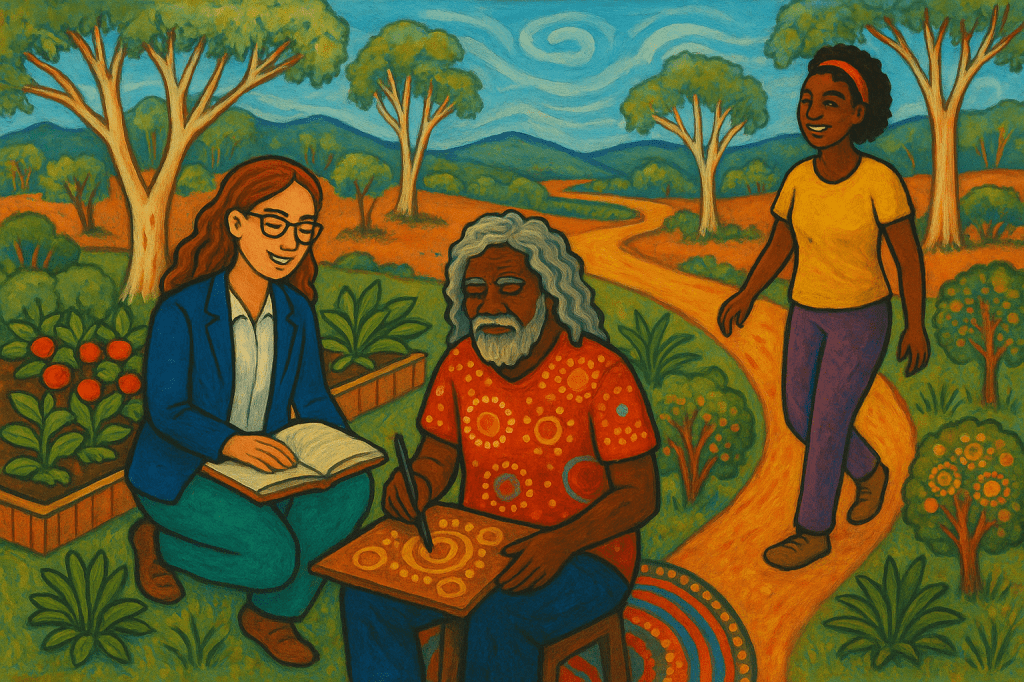
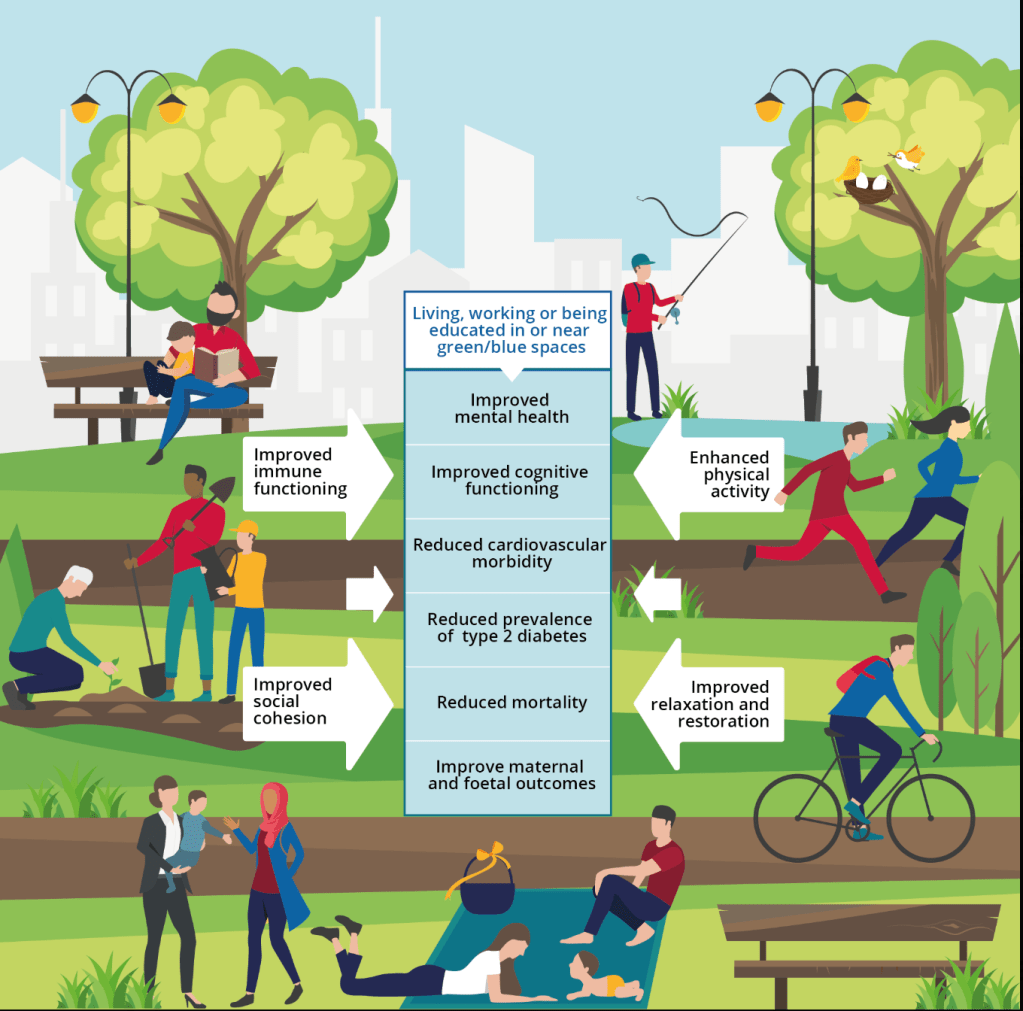
Moreover, recent research underscores the effectiveness of social prescribing. A £5.77 million cross-governmental project demonstrated that expanding access to Green Social Prescribing—engaging individuals in nature-based activities—can significantly promote well-being and improve mental health. Participants reported increased happiness and reduced anxiety after engaging in activities like conservation, gardening, and outdoor exercises. This evidence supports the integration of nature-based interventions into social prescribing practices (University of Exeter, 2025).
Global Recognition and Implementation
The World Health Organization (WHO) acknowledges the potential of social prescribing in improving health outcomes. WHO emphasises that health is heavily influenced by factors such as poverty, isolation, and loneliness. By connecting individuals to non-clinical community services, social prescribing addresses these social determinants, promoting integrated, community-based care and reducing the reliance on medical interventions. This approach aligns with WHO’s holistic definition of health, encompassing physical, mental, and social well-being (WHO, 2024).
In the United States, the concept of social prescribing is gaining momentum. Organizations like Social Prescribing USA are committed to advancing this model, emphasising the power of social connections, arts, movement, nature, and service in improving health. They aim to amplify current initiatives, champion new research-backed pilots, and provide resources to both practitioners and the general public, fostering a broader understanding and implementation of social prescribing across the country (Social Prescribing USA, 2025).
Impact on Healthcare Utilisation
Evidence suggests that social prescribing can lead to substantial reductions in healthcare service usage. For instance, a report by NASP highlighted a 42.2% reduction in GP appointments among patients who accessed social prescribing services in Tameside and Glossop. Similarly, in Kent, there was a 15.4%–23.6% reduction in A&E attendances among patients engaged in social prescribing. These findings indicate that social prescribing not only benefits individual health but also alleviates pressure on healthcare systems (National Academy for Social Prescribing, 2024).
Conclusion
Social prescribing represents a transformative shift towards holistic healthcare, addressing the social determinants of health by connecting individuals to community resources and activities. Recent developments and research affirm its efficacy in enhancing well-being, reducing healthcare service demand, and fostering community engagement. As this approach continues to gain recognition globally, it holds promise for creating healthier, more connected communities.






Leave a comment