
Introduction
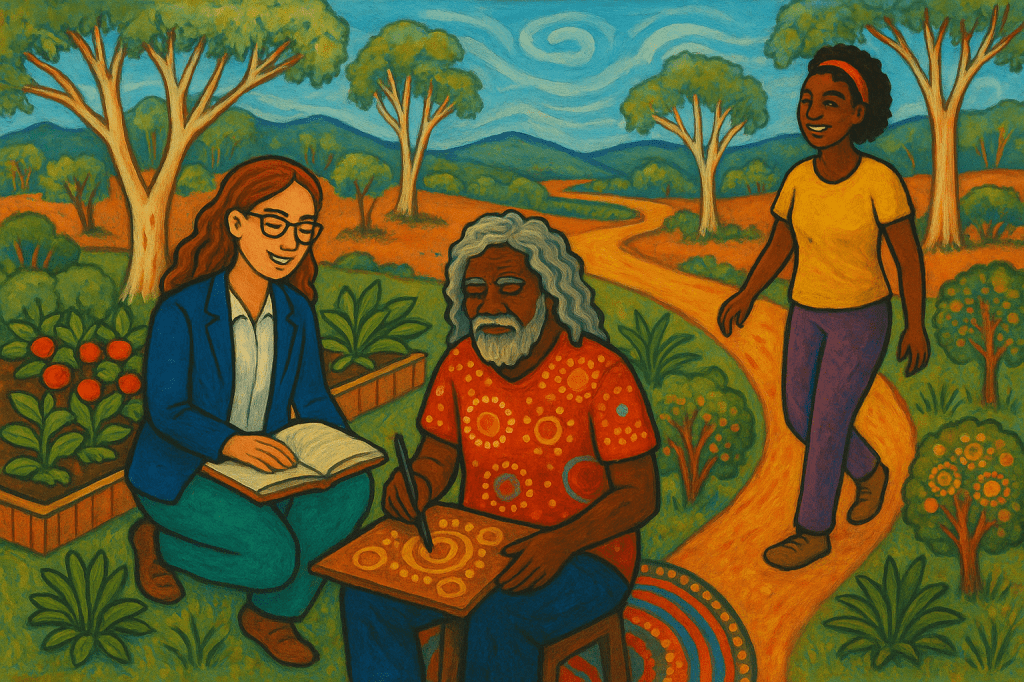
When Claire, a 52-year-old Melbourne resident, visited her GP complaining of persistent fatigue and low mood, she expected a prescription for antidepressants. Instead, her doctor handed her a referral to a community gardening group. Confused but open-minded, she attended the first session. Within weeks, Claire found herself looking forward to mornings spent among sunflowers and lavender, connecting with others who shared her struggles. Over time, she felt her energy return—not from medication, but from the simple power of social connection.
Claire’s story is one of many emerging across Australia, where social prescribing is reshaping the way healthcare providers approach wellness. More than just a medical intervention, it is a movement that acknowledges that health is not only about treating symptoms but about fostering community, purpose, and belonging.
What is Social Prescribing?
Social prescribing is a healthcare approach that enables clinicians to refer patients to non-medical services that address the social determinants of health. These services might include arts programs, group exercise classes, volunteering opportunities, or access to social support networks. The goal is to improve well-being through holistic interventions that tackle loneliness, mental health challenges, and chronic disease management.
Unlike traditional prescriptions that come in pill bottles, social prescriptions come in the form of human connection and engagement. The idea is simple: when people have purpose, community, and enjoyable activities in their lives, their overall health improves.
The Growing Movement in Australia
Social prescribing is gaining traction in Australia, with pilot programs and community initiatives springing up across the country. While the concept has been widely adopted in the UK’s National Health Service (NHS), Australia is tailoring the approach to fit its unique healthcare landscape.
- The Royal Australian College of General Practitioners (RACGP) has recognized social prescribing as an important tool for primary care providers.
- The Australian Government has funded pilot programs, particularly targeting older adults, people with chronic conditions, and those experiencing social isolation.
- Community organizations and local councils are partnering with healthcare providers to create networks of social prescribing options, from Men’s Sheds to art therapy workshops.
Why Social Prescribing Matters
The benefits of social prescribing extend beyond individual well-being. It has the potential to:
- Reduce healthcare costs by decreasing reliance on medications and unnecessary medical visits.
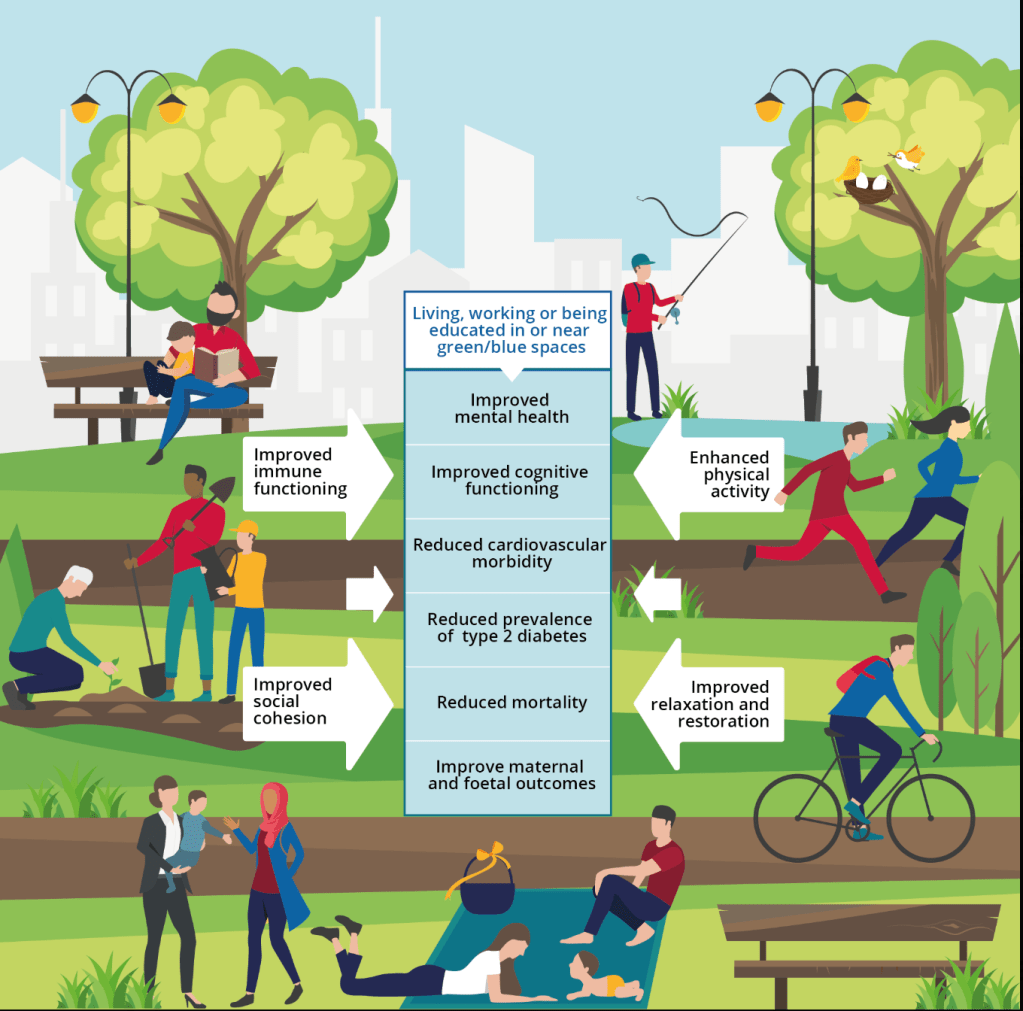
- Combat loneliness and isolation, which are linked to increased risks of depression, cardiovascular disease, and early mortality.
- Improve mental health by offering structured opportunities for engagement and purpose.
- Enhance chronic disease management through activities that encourage movement, healthy eating, and stress reduction.
Take, for example, Liam, a 67-year-old retiree in Sydney who struggled with diabetes and social isolation after his wife passed away. His GP referred him to a local walking group. Through weekly meetups, Liam not only improved his physical health but also forged friendships that eased his grief. The support of his new community became as vital to his health as any medication.
Challenges and the Path Forward
Despite its promise, social prescribing in Australia faces challenges:
- Lack of awareness: Many healthcare providers and patients are unfamiliar with the concept.
- Funding limitations: Unlike traditional medical treatments, social prescriptions are not yet systematically funded through Medicare.
- Integration hurdles: Coordinating between healthcare providers and community organizations requires robust systems and support.
However, momentum is building. The more success stories that emerge—like Claire’s and Liam’s—the stronger the case for expanding social prescribing nationwide. Policy discussions are ongoing, and healthcare professionals are increasingly advocating for a more connected, holistic approach to health.
Conclusion: A Prescription for a Better Future
Social prescribing is more than a healthcare trend—it is a revolution in how we understand well-being. In a world where disconnection and chronic stress are growing public health concerns, the idea of prescribing community, purpose, and joy is both radical and necessary.
For Australians like Claire and Liam, social prescribing has meant the difference between isolation and belonging, stagnation and renewal. Perhaps the future of healthcare is not just about medicine, but about meaningful human connection.
Have you experienced the benefits of social prescribing? Share your story in the comments below.





Leave a comment