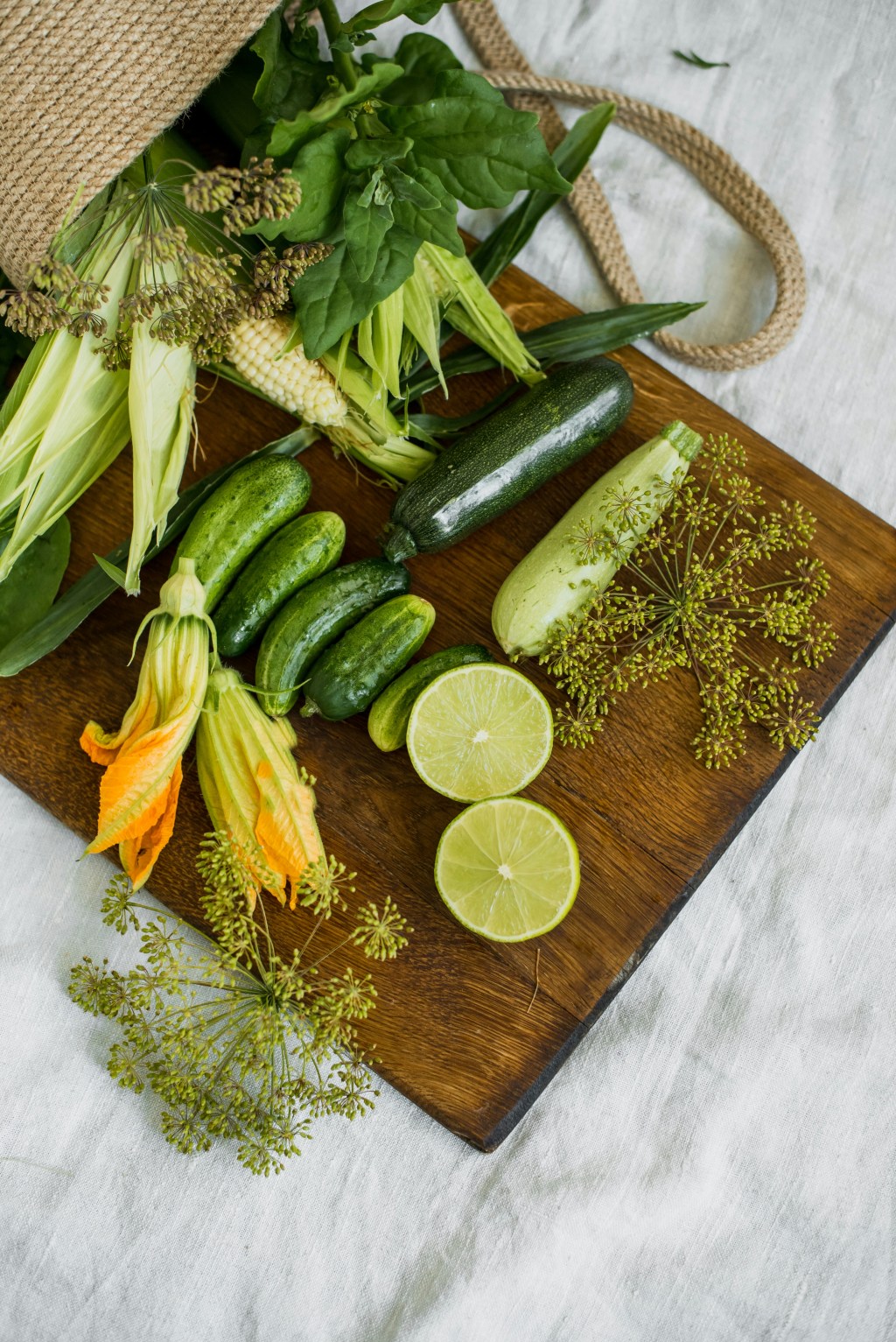
Introduction Gut health is increasingly recognized as a foundational component of overall well-being, influencing everything from digestion and metabolism to mental health and immune function. A balanced gut microbiome plays a crucial role in preventing chronic diseases, improving nutrient absorption, and enhancing quality of life. As research continues to highlight its significance, lifestyle medicine has placed a strong emphasis on nurturing gut health through diet, lifestyle, and holistic interventions.
Understanding the Gut Microbiome The gut microbiome consists of trillions of microorganisms, including bacteria, viruses, and fungi, residing in the digestive tract. These microbes assist in breaking down food, synthesizing essential vitamins, regulating the immune system, and even influencing mood through the gut-brain axis. An imbalance in the gut microbiome—known as dysbiosis—has been linked to various health issues, including obesity, autoimmune disorders, gastrointestinal conditions, and mental health disorders (NIH, 2022).
Key Lifestyle Interventions for a Healthy Gut
- Increase Fiber Intake
A diet rich in fiber promotes the growth of beneficial gut bacteria. Soluble fiber, found in foods like oats, beans, and fruits, feeds the gut microbiota, while insoluble fiber, found in whole grains and vegetables, supports regular bowel movements and gut motility (Harvard T.H. Chan School of Public Health, 2023). - Consume Fermented Foods
Fermented foods contain probiotics—live beneficial bacteria that support gut health. Including foods such as yogurt, kefir, sauerkraut, kimchi, miso, and kombucha in the diet can help maintain a healthy microbial balance (Mayo Clinic, 2023). - Prioritize Prebiotics
Prebiotics are non-digestible fibers that feed beneficial gut bacteria. Foods like garlic, onions, leeks, asparagus, bananas, and whole grains serve as excellent sources of prebiotics, supporting microbial diversity and gut function (National Institute of Diabetes and Digestive and Kidney Diseases, 2023). - Reduce Ultra-Processed Foods and Sugar
Diets high in processed foods and added sugars can negatively impact gut health by promoting the growth of harmful bacteria and reducing microbial diversity. Cutting back on refined carbohydrates, artificial sweeteners, and preservatives can help maintain a balanced microbiome (American Gut Project, 2022). - Stay Hydrated
Proper hydration aids digestion and ensures smooth movement of food through the intestines. Drinking enough water helps maintain the integrity of the gut lining and supports overall digestive function (Cleveland Clinic, 2023). - Manage Stress Levels
The gut-brain connection plays a significant role in digestive health. Chronic stress can disrupt gut microbiota, leading to inflammation and digestive discomfort. Mindfulness, meditation, deep breathing exercises, and physical activity can help reduce stress and promote gut balance (American Psychological Association, 2023). - Prioritize Sleep
Poor sleep quality is associated with gut dysbiosis, inflammation, and increased risk of metabolic disorders. Establishing a consistent sleep routine and aiming for 7-9 hours of sleep per night can positively influence gut health (National Sleep Foundation, 2023). - Regular Physical Activity
Exercise has been shown to enhance gut microbial diversity, reduce inflammation, and improve digestive function. Incorporating moderate exercise, such as walking, yoga, strength training, or cycling, can contribute to a healthier gut (Harvard Medical School, 2023). - Avoid Overuse of Antibiotics and NSAIDs
While antibiotics are sometimes necessary, overuse can disrupt gut microbial balance by eliminating both harmful and beneficial bacteria. Non-steroidal anti-inflammatory drugs (NSAIDs) may also harm gut health when used excessively. Whenever possible, opt for natural anti-inflammatory foods and consult with healthcare providers about antibiotic use (Centers for Disease Control and Prevention, 2023).
The Long-Term Benefits of a Healthy Gut A well-balanced gut microbiome is linked to numerous health benefits, including improved digestion, enhanced immune function, reduced inflammation, better mental health, and a lower risk of chronic diseases like diabetes, heart disease, and obesity. By incorporating these lifestyle interventions, individuals can take proactive steps toward optimizing gut health and overall well-being.
Conclusion Fostering gut health is an integral aspect of lifestyle medicine, offering a natural and effective way to improve long-term health outcomes. By making mindful dietary and lifestyle choices, individuals can cultivate a resilient gut microbiome that supports not only digestion but also immunity, mental clarity, and vitality. Prioritizing gut health today can lead to a healthier and more balanced life in the future.
References
- National Institutes of Health (2022). Gut Microbiome and Human Health. Retrieved from https://www.nih.gov/
- Harvard T.H. Chan School of Public Health (2023). The Importance of Dietary Fiber. Retrieved from https://www.hsph.harvard.edu/
- Mayo Clinic (2023). Fermented Foods and Gut Health. Retrieved from https://www.mayoclinic.org/
- National Institute of Diabetes and Digestive and Kidney Diseases (2023). Prebiotics and Gut Function. Retrieved from https://www.niddk.nih.gov/
- American Gut Project (2022). How Diet Affects Gut Microbiota. Retrieved from https://americangut.org/
- Cleveland Clinic (2023). Hydration and Digestive Health. Retrieved from https://my.clevelandclinic.org/
- American Psychological Association (2023). Stress and Gut Health. Retrieved from https://www.apa.org/
- National Sleep Foundation (2023). The Impact of Sleep on Gut Health. Retrieved from https://www.sleepfoundation.org/
- Harvard Medical School (2023). Exercise and Gut Microbiota. Retrieved from https://www.health.harvard.edu/
- Centers for Disease Control and Prevention (2023). Antibiotics and Microbial Resistance. Retrieved from https://www.cdc.gov/








Leave a comment