The waiting room smelled of antiseptic and old magazines, a scent that clung to everything—the chairs, the walls, even the silence between conversations. Outside, the rain tapped against the windowpane in soft, persistent rhythms. Margaret sat with her hands folded in her lap, staring at the pamphlet on “Life After Cancer” without really reading it. Her last appointment with the oncologist had ended with the words she had fought to hear—No evidence of disease.
It should have been a moment of relief, of celebration. But instead, Margaret felt unmoored, like a ship set adrift without a map. The hospital had been her battlefield for two years. What now? Who was she, beyond the woman who had fought for her life?
“Margaret?” A soft voice pulled her from her thoughts.
She looked up to see a woman in a bright yellow cardigan, a contrast to the pale walls of the clinic. Her badge read Elena, Oncology Social Prescriber.
“You’re free to go,” Margaret said, standing instinctively.
Elena smiled. “Actually, I was hoping you had a few minutes to chat.” She gestured toward a quieter corner, where the chairs were positioned near a window overlooking the courtyard garden. The rain had stopped, and the damp earth shimmered under a weak sun.
Margaret hesitated, then followed.
Elena didn’t ask about tumors or treatment side effects. Instead, she asked about life.
“What did you love before all this?” Elena gestured vaguely to the hospital around them.
Margaret blinked. No one had asked her that in years. “I—I used to garden,” she admitted, her voice tinged with something between nostalgia and grief. “Roses mostly. I had this little plot in my backyard. It was my favorite place.”
Elena nodded, her smile warm but knowing. “Would you like to visit a community garden?”
Margaret hesitated. “A garden?”
“There’s one nearby,” Elena said. “It’s part of a social prescribing program for cancer survivors. Some people go just to sit, to breathe. Others dig their hands into the soil, plant things, tend to life. It’s about finding your footing again.”
Margaret opened her mouth to decline, but something stopped her. Maybe it was the weight of the silence at home. Maybe it was the ache of needing something—anything—to feel like herself again.
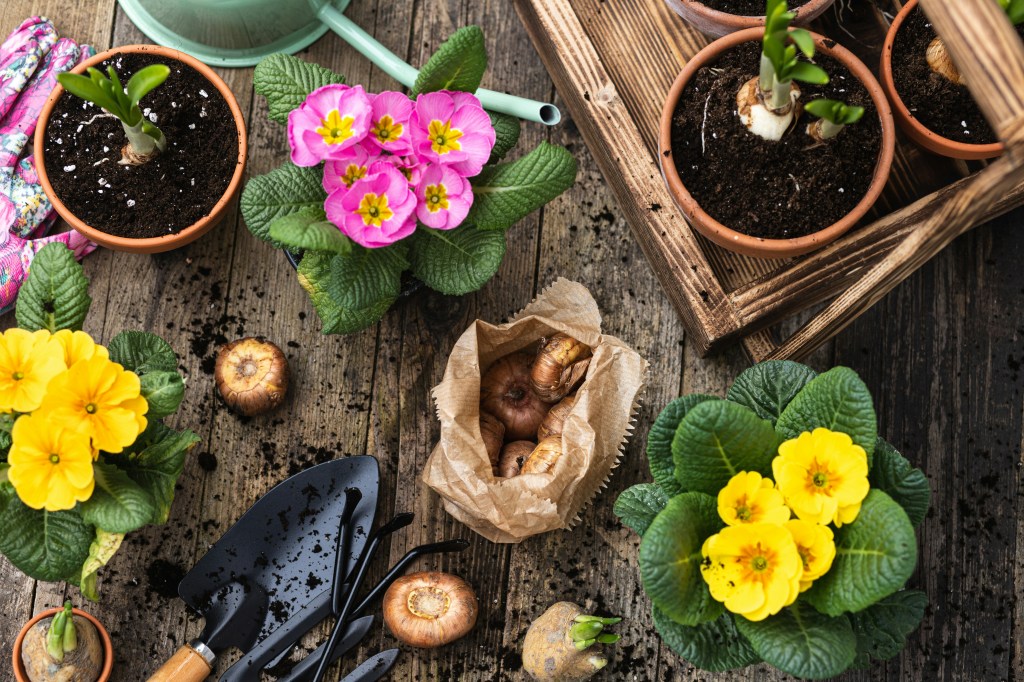
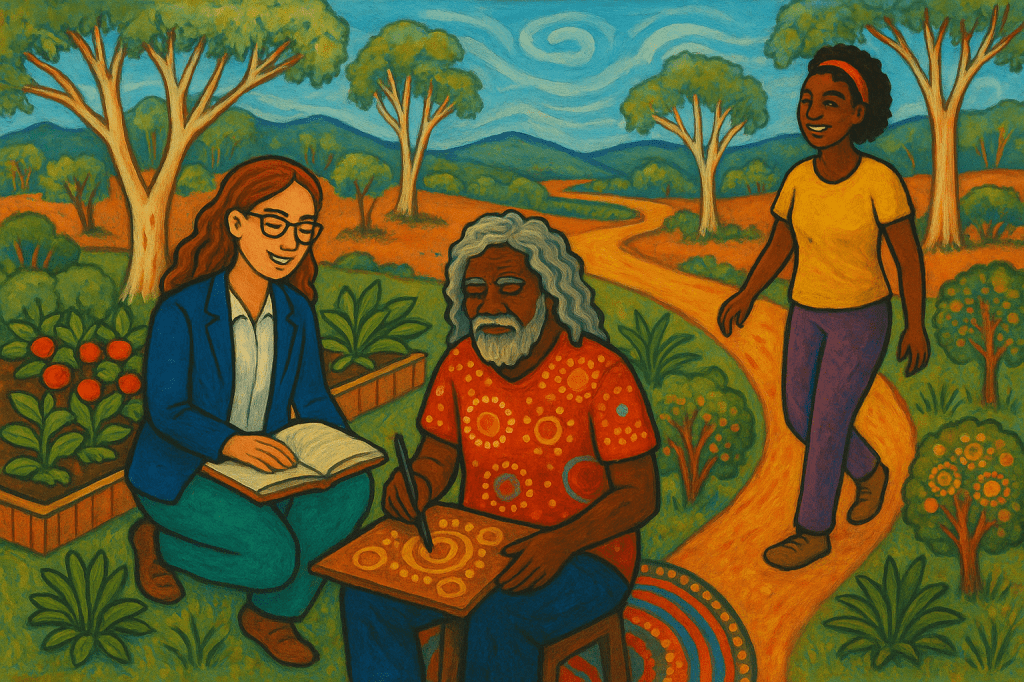
So the next morning, Margaret found herself standing at the entrance of The Green Haven Garden. It wasn’t much—a modest stretch of raised beds, neat rows of herbs, vegetables, and flowers—but the air smelled of earth and sun-warmed leaves. A few people milled about, chatting, laughing. A woman with a patterned headscarf knelt by a tomato plant, humming softly as she worked.
A man in his sixties, his sleeve rolled up to reveal the faded outline of an old chemo port, handed her a pair of gloves. “Welcome,” he said simply.
Something in Margaret’s chest loosened.
She knelt beside a patch of lavender, inhaling deeply. The scent filled her lungs, grounding her. For the first time in years, her hands weren’t clenched in fists of fear or exhaustion. They were open, ready to tend, to grow, to begin again.
And as she pressed her fingers into the soil, feeling the cool earth between them, she realized: she wasn’t just planting flowers.
She was planting herself back into the world.




Leave a comment