
Sarah, a 52-year-old woman living in a bustling city, had been grappling with type 2 diabetes for several years. Managing her condition felt overwhelming, leading to anxiety and a sense of isolation. Regular visits to her GP addressed the medical aspects, but Sarah yearned for more holistic support.
A Different Kind of Referral
During a routine appointment, Sarah’s GP introduced her to the concept of social prescribing. Instead of prescribing another medication, the doctor suggested she meet with a Social Prescribing Link Worker named Emma.
Curious yet cautious, Sarah agreed. A week later, she sat down with Emma, who took the time to understand Sarah’s challenges beyond her medical condition. They discussed her interests, daily routines, and the emotional toll of managing diabetes.
Building Connections
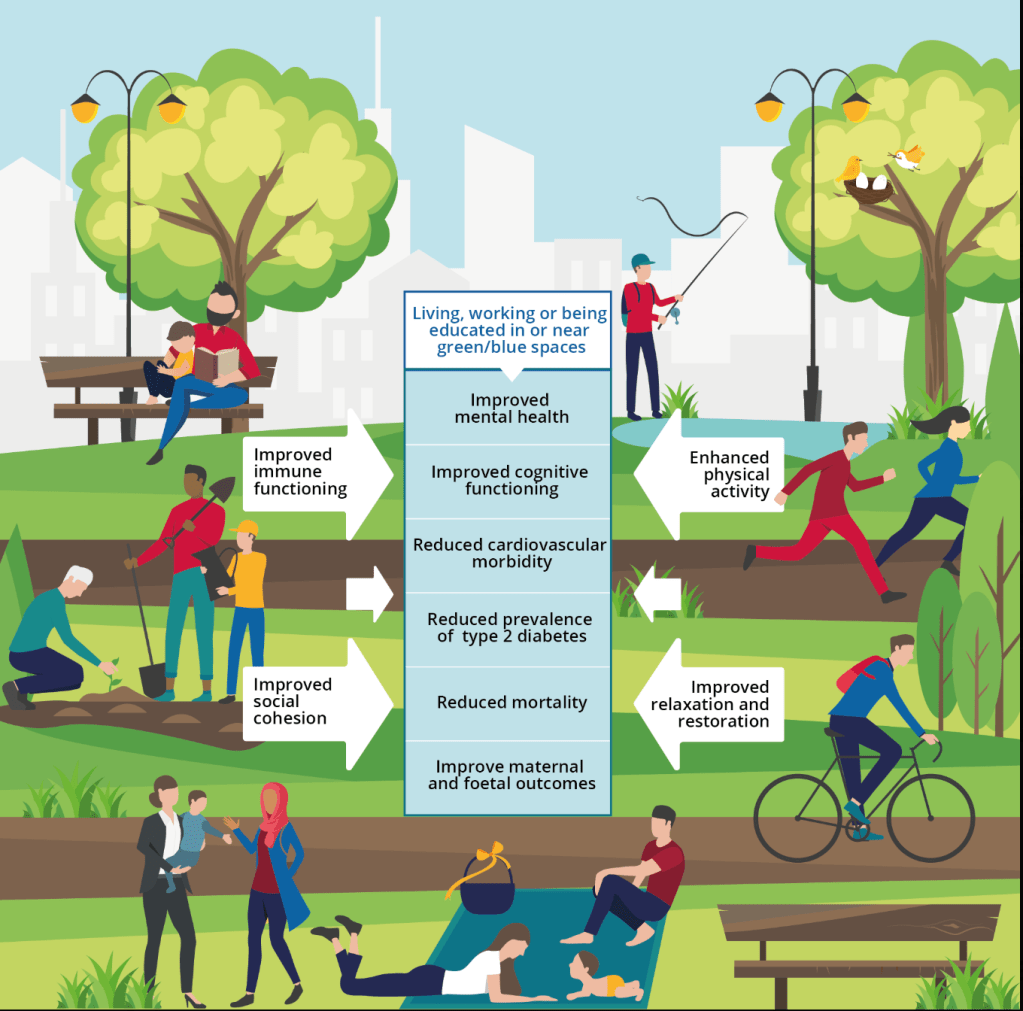
Emma recognized that Sarah’s isolation was a significant barrier to her well-being. She connected Sarah with a local diabetes support group, where she could share experiences and coping strategies with others facing similar challenges. Additionally, knowing Sarah enjoyed being outdoors, Emma recommended a nearby walking group tailored for individuals with chronic conditions.
With Emma’s support, Sarah also explored healthy cooking classes, empowering her to make dietary choices that complemented her medical treatment.
A Positive Transformation
Over the next few months, Sarah’s life began to change. The support group provided a sense of community, reducing her feelings of loneliness. Regular walks improved her physical health and offered a mental boost. Cooking classes transformed her approach to meals, making her feel more in control of her health.
Sarah’s experience reflects the growing recognition of social prescribing’s value in healthcare. By addressing social and emotional factors, social prescribing complements traditional medical treatments, offering a more holistic approach to health and well-being.





Leave a comment