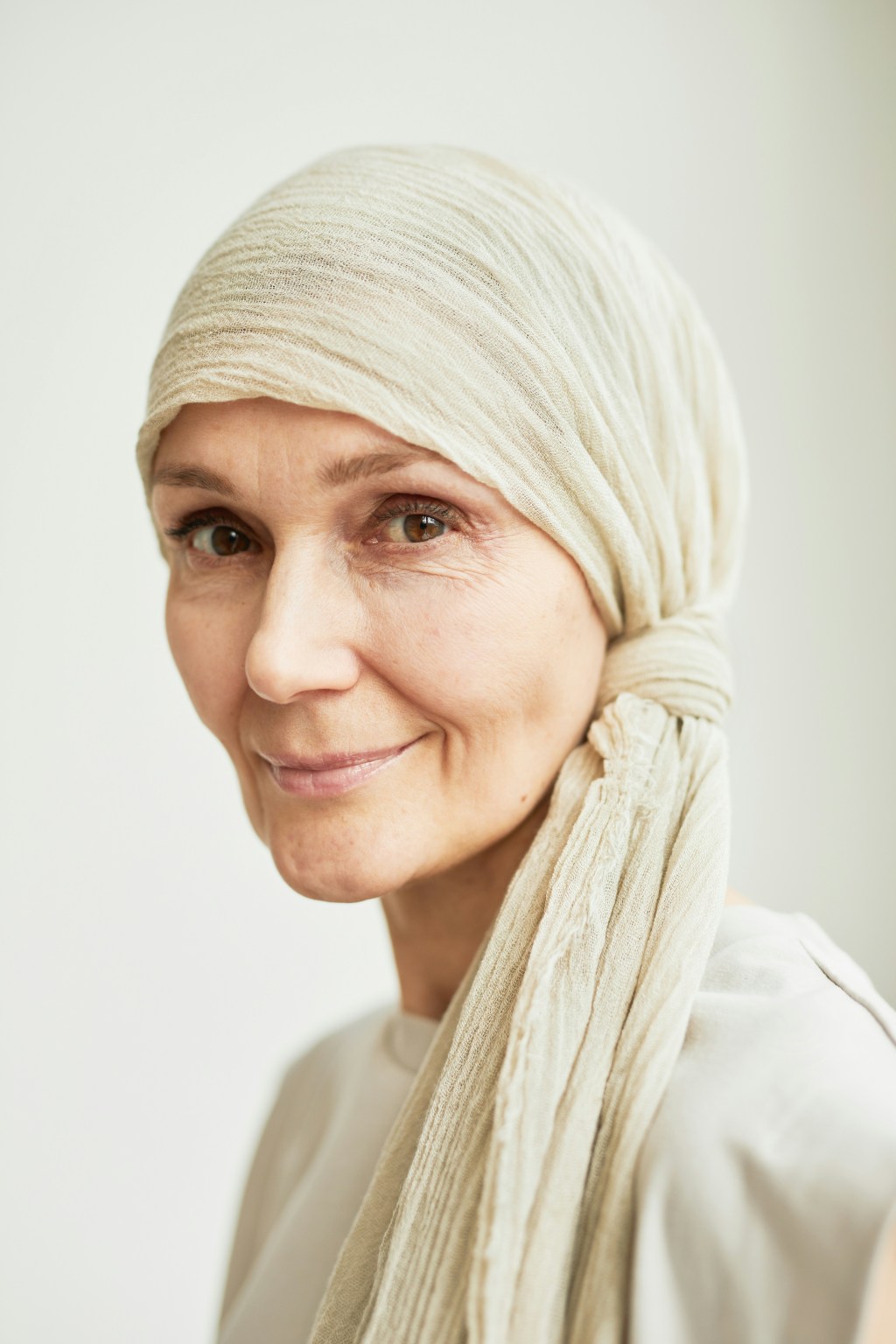
For many cancer survivors, the journey doesn’t end when treatment does. Life after cancer comes with its own challenges—fatigue, anxiety, and fear of recurrence can weigh heavily on survivors. A new study published in Current Oncology sheds light on a promising approach: social prescribing. This research explores how connecting cancer survivors with community-based activities can significantly improve physical, mental, and social well-being.
What Is Social Prescribing?
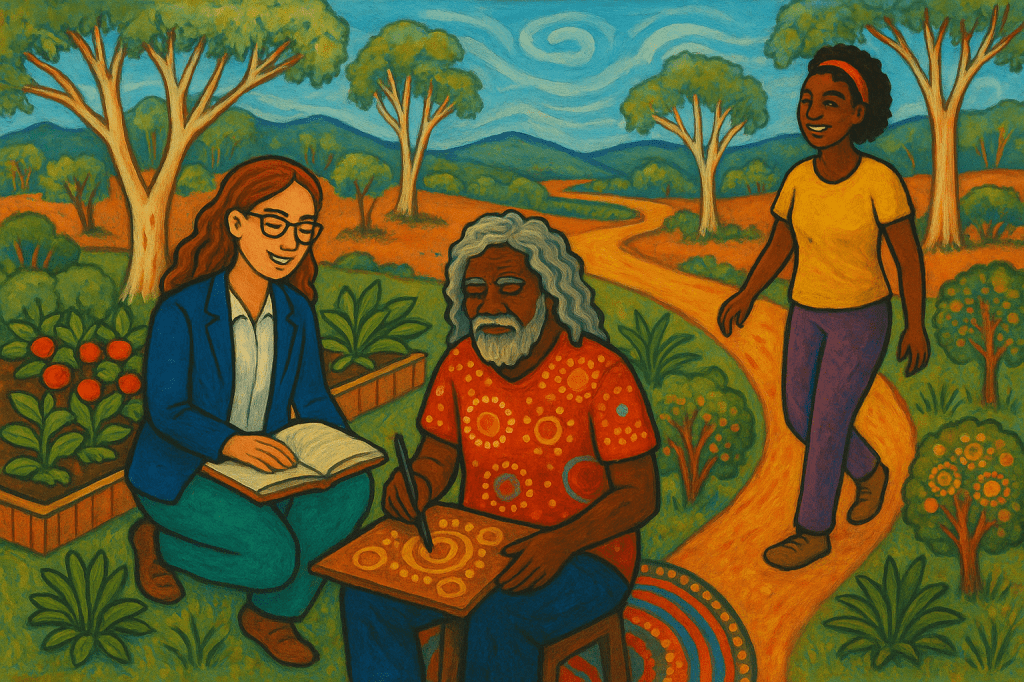
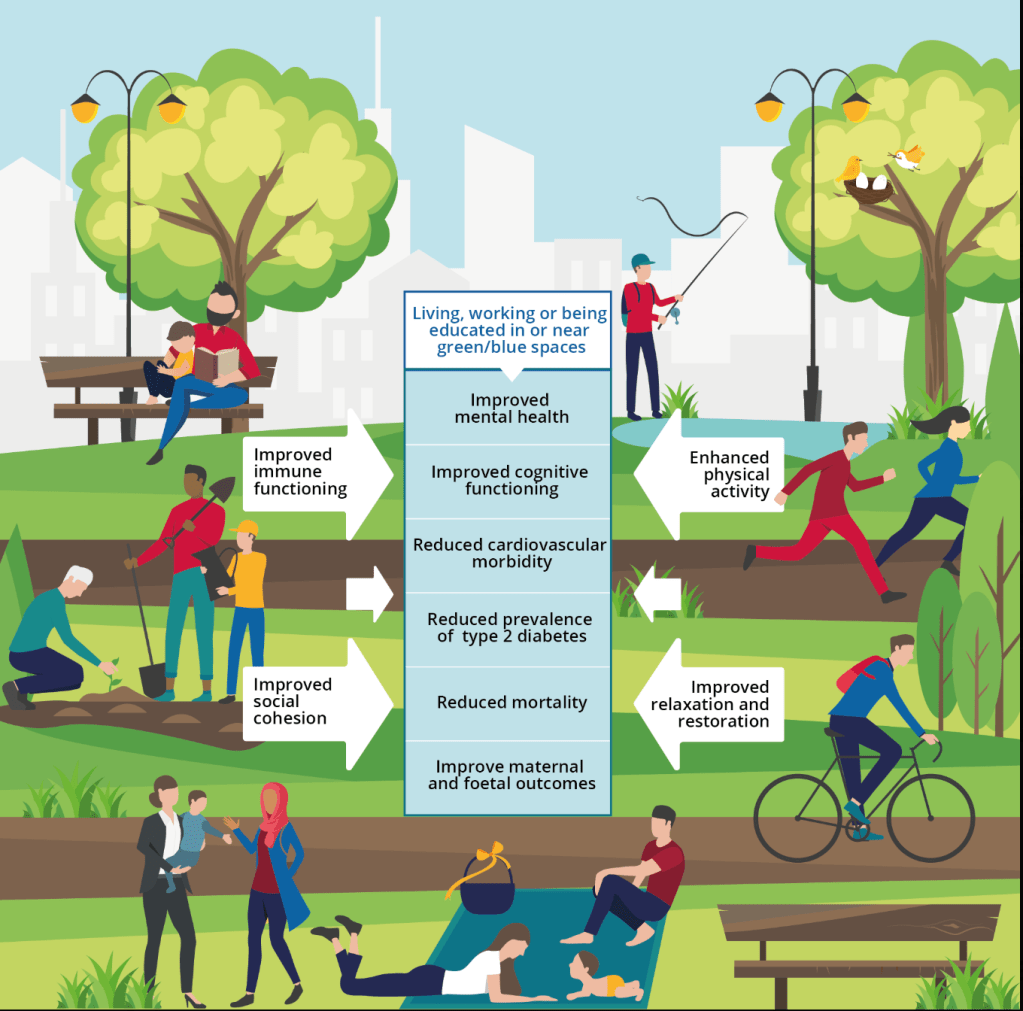
Social prescribing is an innovative, non-medical healthcare approach that connects people with community-based activities to support their well-being. It allows healthcare professionals to refer individuals to programs such as:
✔ Exercise groups (yoga, walking clubs)
✔ Arts and creative therapy (painting, music, drama)
✔ Support groups (peer networks, counseling)
✔ Mindfulness and stress reduction activities
The idea is simple yet powerful: rather than relying solely on medications and clinical interventions, survivors are encouraged to engage with their community and participate in activities that enhance their overall health.
Key Findings from the Study
The study, conducted in Ireland, examined the feasibility and effectiveness of social prescribing for cancer survivors. It followed 27 individuals who had completed curative treatment for different types of cancer. They were referred to community-based activities through a social prescribing link worker.
Here’s what the study found:
✅ Improved Mental Health – Participants reported lower levels of depression and anxiety after engaging in social activities.
✅ Reduced Fatigue – Cancer-related fatigue, a persistent issue for many survivors, significantly decreased following participation in prescribed activities.
✅ Greater Social Connection – Many participants formed new friendships and felt a renewed sense of belonging.
✅ Increased Confidence and Motivation – Engaging in activities helped survivors regain confidence and establish daily routines.
✅ High Participation Rates – Over 60% of the participants engaged in a community activity and continued attending.
One participant shared:
“By attending one thing then I thought I can do something else you know?”
These results suggest that social prescribing is not only feasible but also highly beneficial for cancer survivors.
The Bigger Picture: Why This Matters for Cancer Survivors and Their Families
Cancer survivors often struggle with the transition back to “normal life” after treatment. Traditional healthcare models tend to focus on the physical recovery but often overlook the social and emotional aspects of healing.
This study highlights a new approach—one that treats survivors as whole individuals, not just patients. Social prescribing:
🔹 Encourages active participation in recovery
🔹 Supports mental and emotional well-being
🔹 Reduces feelings of loneliness and isolation
🔹 Provides a sense of control over post-treatment life
For families and caregivers, these findings also offer hope and new ways to support loved ones. Encouraging a survivor to join a local group, creative activity, or movement class could make a huge difference in their recovery journey.
What’s Next? Expanding Access to Social Prescribing
While these results are promising, more research is needed. The study suggests that social prescribing should be integrated into cancer survivorship care plans, ensuring survivors are routinely referred to community programs as part of their recovery.
To make social prescribing more accessible, healthcare providers, policymakers, and community organizations must work together to:
📌 Increase awareness among GPs and oncologists about social prescribing
📌 Provide sustainable funding for community-based programs
📌 Create structured referral pathways within cancer care systems
📌 Ensure accessibility for individuals facing physical and financial barriers
The study’s authors recommend a larger, randomized trial to further evaluate the long-term benefits of social prescribing for cancer survivors.
Final Thoughts: A New Prescription for Life After Cancer
The transition from cancer treatment to survivorship can be daunting. But research like this suggests that healing is about more than just medicine—it’s about community, purpose, and reconnection.
If you or someone you love is navigating life after cancer, consider exploring social prescribing. A small step—joining a group, trying a new hobby, or engaging in a creative outlet—could lead to big improvements in well-being.
Could social prescribing be the missing piece in cancer recovery? The evidence says yes—and it’s time to start prescribing more than just medicine.
References
- Connolly, D., O’Hara, C., O’Brien, C., & Dempsey, A. (2025). Feasibility and Acceptability of Social Prescribing for Cancer Survivors. Current Oncology, 32(3), 129. https://doi.org/10.3390/curroncol32030129
- Bickerdike, L., Booth, A., Wilson, P. M., Farley, K., & Wright, K. (2017). Social prescribing: Less rhetoric and more reality. BMJ Open, 7(4), e013384.
- Pescheny, J. V., Randhawa, G., & Pappas, Y. (2020). The impact of social prescribing services on service users: A systematic review of the evidence. European Journal of Public Health, 30(4), 664–673.
- Chatterjee, H. J., Camic, P. M., Lockyer, B., & Thomson, L. J. M. (2018). Non-clinical community interventions: A systematised review of social prescribing schemes. Arts & Health, 10(2), 97–123.



Leave a comment