
What If Your Doctor Prescribed You a Community?
Imagine visiting your doctor for stress, chronic pain, or loneliness, and instead of just receiving medication, you also get a “prescription” to join a walking group, an art class, or a financial counseling session. This is the core idea behind social prescribing, an emerging healthcare approach that is gaining traction in Australia.
A recent integrative review of social prescribing programs in Australia, published in PLOS ONE, explores how this innovative model is transforming healthcare by addressing not just medical conditions, but the social and emotional needs that contribute to overall well-being.
What Is Social Prescribing?
Social prescribing is a way for healthcare providers to connect patients with non-medical support in their communities. This could include:
- Exercise programs (yoga, dance, or walking groups)
- Creative activities (art therapy, music, or writing workshops)
- Support groups (for mental health, chronic illness, or social connection)
- Practical assistance (housing support, employment help, or financial advice)
Instead of simply treating symptoms with medication, social prescribing empowers people to take control of their health by fostering social connections, encouraging healthy habits, and addressing life challenges that impact well-being.
The Role of “Link Workers”
A key component of social prescribing is the link worker model. Instead of doctors directly referring patients to specific programs, link workers act as health navigators, helping individuals find the right community resources based on their unique needs and interests.
The review found that this approach is particularly effective because:
✔️ Link workers have deep knowledge of local services—far beyond what a general practitioner (GP) might know.
✔️ They provide ongoing support, ensuring people actually engage with the programs.
✔️ They reduce pressure on doctors and the healthcare system, helping people get the support they need without unnecessary medical appointments.
Does Social Prescribing Work?
The review identified several benefits of social prescribing programs in Australia, including:
📉 Reduced loneliness – Participants reported increased social connections and emotional support.
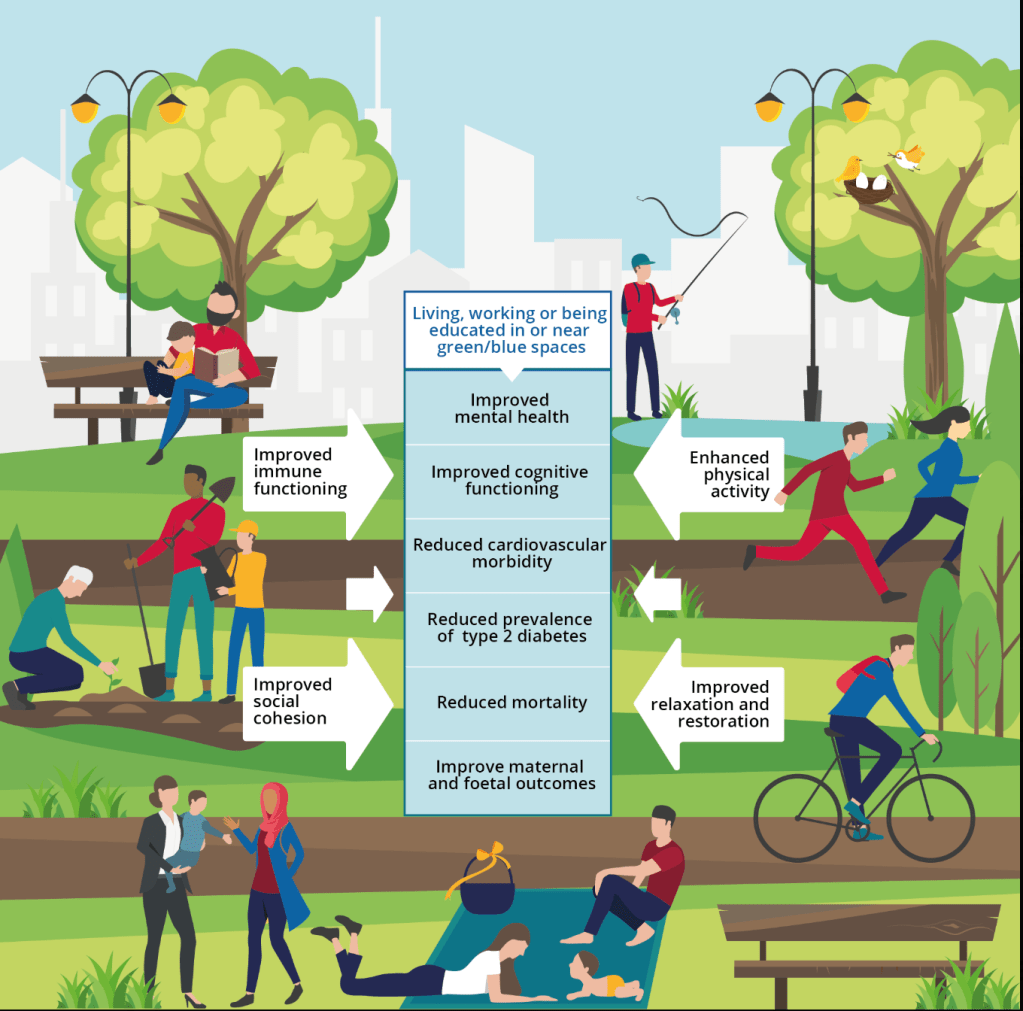
😊 Improved mental health – Many studies showed reductions in anxiety and depression.
💪 Better physical health – Some programs helped people manage chronic pain and increase physical activity.
🏥 Less reliance on healthcare services – Social prescribing has the potential to reduce hospital visits and GP appointments, freeing up resources for critical medical care.
What Can You Do?
Social prescribing is still growing in Australia, but there are steps you can take to benefit from its principles in your own life:
🔎 Ask your doctor – If you’re struggling with loneliness, stress, or health concerns, ask if they know of any local programs that could help.
💬 Explore community resources – Check out libraries, community centers, and local health organizations for free or low-cost activities that promote well-being.
👥 Start small – Joining a group activity can be intimidating, but taking a small step—like attending one class or event—can make a big difference.
🏡 Support social prescribing in your area – Advocate for more funding and awareness of these programs in healthcare settings.
A Healthcare Revolution?
Social prescribing challenges the traditional approach of treating patients as isolated medical cases and instead recognizes that health is deeply connected to community, relationships, and purpose.
As this model continues to evolve in Australia, it has the potential to create a healthcare system that supports not just illness, but overall well-being—one that empowers people to heal in ways that medication alone cannot.
Would you be open to a “social prescription”? Let me know in the comments!
Reference
Baker, J. R., Bissett, M., Freak-Poli, R., Dingle, G. A., Zurynski, Y., Astell-Burt, T., Brymer, E., Prassos, T., Thomas, T., Tognarini, C., & Aggar, C. (2024). Australian link worker social prescribing programs: An integrative review. PLOS ONE, 19(11), e0309783. https://doi.org/10.1371/journal.pone.0309783







Leave a comment