What Is Social Prescribing?
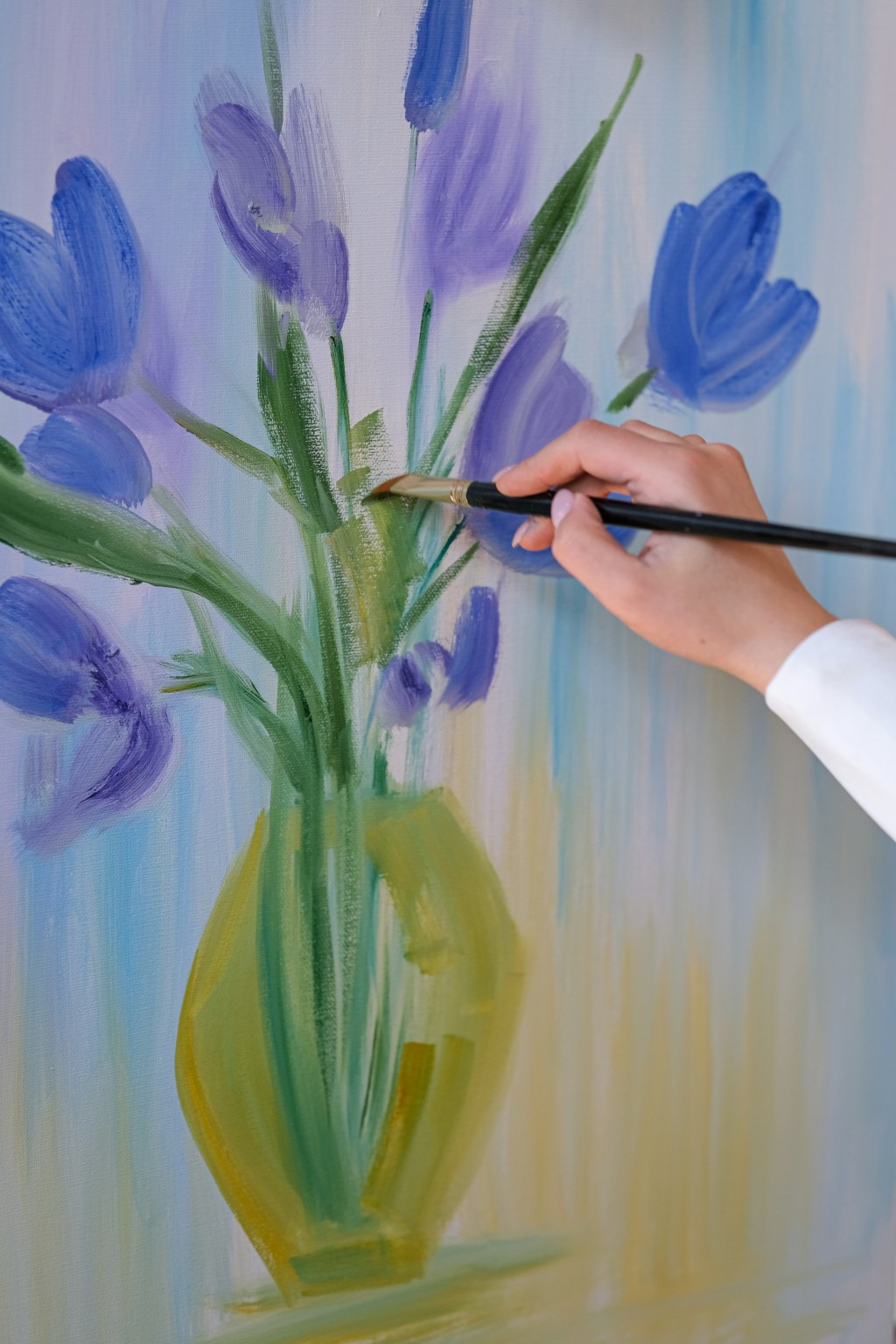
When we think about healthcare, we often picture medications, surgeries, and tests. But what if healing could also come from art, music, writing, or creativity? Social prescribing is an innovative approach that acknowledges the holistic nature of health, recognizing that factors like social connection, creativity, and self-expression can play a significant role in well-being.
Social prescribing allows healthcare professionals—such as doctors, nurses, and community workers—to refer patients to non-medical activities that can improve their mental and physical health. These activities may include:
🎨 Art classes (painting, sculpture, or crafts)
🎭 Drama and performance (acting, storytelling)
🎶 Music therapy (singing, playing instruments)
✍️ Creative writing or poetry groups
🖌️ Mindful coloring and journaling
Often referred to as the “Arts on Prescription” model, this type of social prescribing has been used to help people manage conditions like anxiety, depression, chronic illness, and even cancer recovery. Instead of solely relying on medications, patients are encouraged to engage in creative practices that promote self-expression, relaxation, and community support.
The Science Behind Arts on Prescription
Far from being just a “feel-good” intervention, there is a strong evidence base supporting the effectiveness of arts-based social prescribing. Research has shown that engaging in creative activities can:
✅ Reduce stress and anxiety – Engaging in the arts has been linked to lower levels of the stress hormone cortisol and improved mood (Fancourt & Finn, 2019).
✅ Improve mental health – Studies indicate that arts participation can reduce symptoms of depression and improve overall well-being (Jensen et al., 2023).
✅ Enhance social connection – Participating in group creative activities reduces loneliness and helps people form meaningful relationships, which is especially important for those recovering from illness (Stickley & Hui, 2012).
✅ Support physical healing – Engaging in creative expression can reduce pain perception and improve recovery outcomes for people living with chronic conditions (Stuckey & Nobel, 2010).
✅ Encourage self-reflection and growth – Writing, painting, or making music allows individuals to process their experiences, particularly in cases of cancer survivorship or trauma recovery (Kaimal et al., 2020).
Bringing Arts on Prescription Into Your Life
You don’t need a doctor’s referral to start incorporating arts-based activities into your well-being routine. Here are a few ways to use creative expression for health and healing:
🎨 Join a local art class – Look for community workshops in painting, drawing, or sculpture to connect with others while exploring creativity.
📖 Try expressive writing – Keeping a journal, writing poetry, or crafting personal stories can help you process emotions and reflect on your journey.
🎶 Use music as medicine – Whether it’s learning an instrument, singing in a choir, or simply listening to soothing sounds, music can be a powerful tool for relaxation and self-expression.
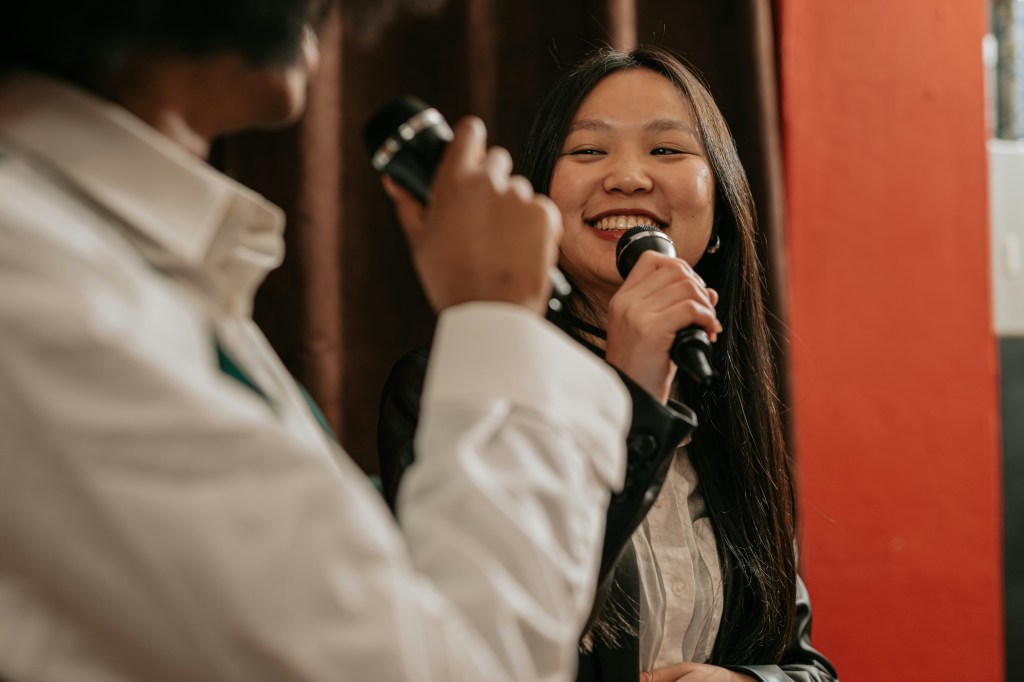
🎭 Engage in drama or storytelling – Acting, improvisation, or sharing personal stories in a supportive group can build confidence and emotional resilience.
🖌️ Explore mindful art practices – Coloring, doodling, or creating vision boards can serve as a form of meditation and self-discovery.
🤝 Join a creative community – Find local or online groups where people share art, writing, or music as part of their wellness journey.
Conclusion: Art as Medicine
Social prescribing and Arts on Prescription programs are transforming the way we think about healthcare. By integrating creativity into our daily lives, we can improve our mental and physical well-being in meaningful, sustainable ways.
Whether you are dealing with a long-term illness, looking to manage stress, or simply want to connect with others in a creative way, engaging in the arts can be a powerful prescription for health and happiness.
So, pick up a paintbrush, write a poem, or join a local singing group—your well-being might just depend on it.
References
- Fancourt, D., & Finn, S. (2019). What is the evidence on the role of the arts in improving health and well-being? A scoping review. World Health Organization Regional Office for Europe.
- Jensen, A., Stickley, T., & Wright, N. (2023). The impact of arts-based social prescribing on mental health and well-being: A systematic review. Journal of Public Mental Health.
- Stickley, T., & Hui, A. (2012). Social prescribing through the arts: A review of evidence and challenges. Mental Health and Social Inclusion, 16(3), 85-91.
- Stuckey, H. L., & Nobel, J. (2010). The connection between art, healing, and public health: A review of current literature. American Journal of Public Health, 100(2), 254-263.
- Kaimal, G., Ray, K., & Muniz, J. (2020). Reduction of cortisol levels and participants’ responses following art-making. Art Therapy, 37(2), 81-90.

 Dr. Katie Zippel
Leave a reply to Art and Connection for Well-Being – Site Title Cancel reply